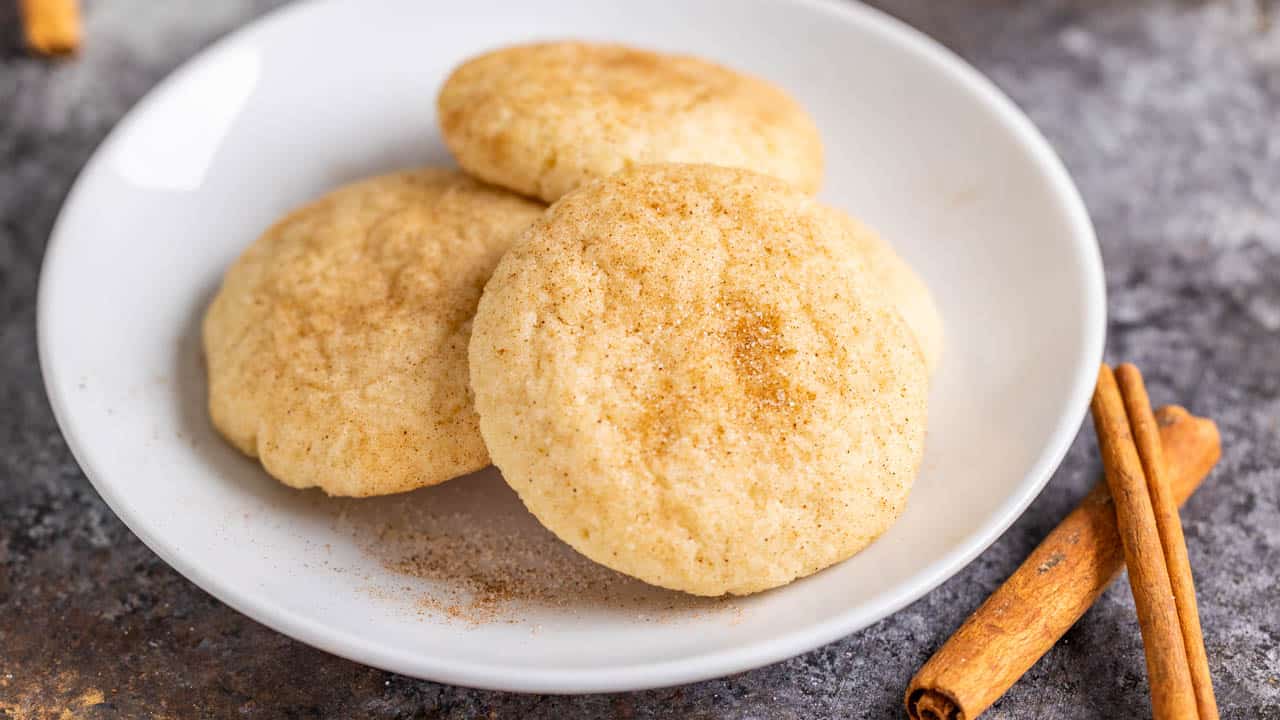
Bake Soul-Soothing Snickerdoodles: Soft, Chewy, & Irresistible
There’s a special kind of magic that fills a home when the scent of cinnamon and sugar wafts from the oven. It’s an aroma that promises warmth, comfort, and pure delight. For many, that magic comes in the form of snickerdoodles – those humble yet incredibly satisfying cookies that evoke childhood memories and simple pleasures. But not just any snickerdoodle will do. We're talking about the holy grail: the perfect batch of
soft and chewy snickerdoodles, each bite a melt-in-your-mouth experience of sugary, cinnamony, buttery bliss. This isn't just baking; it's cookie therapy for the soul.
Our goal today is to guide you towards achieving snickerdoodle perfection, ensuring every cookie is beautifully soft, delightfully chewy, and utterly irresistible. Whether you’re a seasoned baker or just discovering the joy of homemade treats, this exploration will equip you with the knowledge and tips to create batches that disappear almost as quickly as they emerge from the oven.
What Makes a Snickerdoodle Truly Special? Unraveling the Magic
At its heart, a snickerdoodle is often described as a dressed-up sugar cookie, but that simple description barely scratches the surface of its unique charm. The defining characteristic, beyond its generous cinnamon-sugar coating, is the subtle tang and distinct texture imparted by a key ingredient: cream of tartar. This often-overlooked leavening agent reacts with baking soda to create those signature crackled tops and contributes significantly to the cookie's signature chewiness and depth of flavor that sets it apart from a standard sugar cookie.
The origin of the name "snickerdoodle" is as whimsical and debated as the cookie itself. While its precise genesis remains a culinary mystery, most sources point to German or Dutch influences. Theories suggest it could be a playful mash-up of the German word "Schneckennudeln," meaning snail dumplings (a far cry from our beloved cookie!), or possibly derived from "schnecke" or the Dutch "snekrad," both referring to a snail shape. This has led some to speculate that perhaps early snickerdoodles were rolled and cut like pinwheels. Regardless of its quirky etymology, we can all agree that these cookies are a delicious triumph of baking history, delighting taste buds across generations.
Another noteworthy aspect of the traditional snickerdoodle is its naturally nut-free composition. Unlike many other cookie varieties, snickerdoodles are not historically made with nuts. This makes them a wonderful option for those with nut allergies or preferences, provided you’re making them yourself where you can control the ingredients. If you're ever in doubt about store-bought options, always check the ingredient labels carefully. For more fascinating facts about these beloved cookies, including their history and nut-free considerations, you might enjoy reading our detailed article:
Unraveling the Snickerdoodle: History, Storage, & Nut-Free Facts.
Achieving That Perfect Soft and Chewy Texture: Tips for Success
The quest for truly
soft and chewy snickerdoodles hinges on a few crucial steps and ingredient considerations. It’s a straightforward process, but paying attention to these details will elevate your cookies from good to absolutely glorious.
1.
Quality Ingredients are Key:
*
Butter: Start with good quality unsalted butter, softened to room temperature. This is crucial for properly creaming with sugar, which incorporates air and creates a tender crumb.
*
Cream of Tartar: Don't skip it! As mentioned, cream of tartar is the secret weapon. It provides the characteristic tangy flavor and works with baking soda to give the cookies their unique soft, pillowy texture and crinkled appearance. Ensure yours isn't expired for optimal leavening.
*
Fresh Spices: A fresh cinnamon-sugar coating makes all the difference in flavor.
2.
Precise Mixing Techniques:
*
Creaming Butter and Sugar: Beat the softened butter and granulated sugar together until light and fluffy. This takes about 2-3 minutes and is a vital step for a soft cookie.
*
Eggs: Add eggs one at a time, mixing well after each addition. Eggs add moisture, richness, and help bind the dough.
*
Don't Overmix Flour: Once you add the dry ingredients (flour, cream of tartar, baking soda, salt), mix *just until combined*. Overmixing develops gluten, which can lead to tough, rather than soft and chewy, cookies.
3.
The Cinnamon-Sugar Roll: This is the snickerdoodle's signature "dressing." Ensure each dough ball is thoroughly coated. The sugar crystals caramelize during baking, adding to the texture and flavor, while the cinnamon infuses every bite with warmth.
4.
Mindful Baking Time & Temperature:
*
Oven Temperature: Typically, snickerdoodles bake at 375°F (190°C). This temperature helps them spread nicely and develop those delightful crinkles.
*
Don't Overbake: This is arguably the most critical tip for achieving a soft and chewy texture. Bake just until the edges are lightly set and the centers still look slightly soft or underbaked. They will continue to cook slightly on the hot baking sheet. Usually, this is around 8-10 minutes.
*
Cooling Process: Let the cookies cool on the baking sheet for a few minutes before transferring them to a wire rack to cool completely. This allows them to firm up without becoming hard.
For a detailed, step-by-step recipe that ensures perfect results every time, check out our comprehensive guide:
Foolproof Snickerdoodle Recipe: Achieve Soft & Chewy Perfection.
Beyond the Bake: Storing, Freezing, and Enjoying Your Snickerdoodles
While snickerdoodles are undeniably best enjoyed warm, straight from the oven, their deliciousness doesn't fade quickly. Here's how to keep them fresh and ready for whenever a craving strikes:
*
Short-Term Storage: Store baked snickerdoodles in an airtight container at room temperature for up to five days. Keeping them in a cool, dry place helps maintain their soft texture. If they start to firm up, a quick 10-second zap in the microwave can work wonders to bring back their chewiness and warmth.
*
Longer-Term Storage (Fridge): If you anticipate them lasting longer than five days (a rare feat!), you can place the airtight container in the refrigerator. Just remember the microwave trick to soften them before serving.
*
Freezing Baked Cookies: Snickerdoodles freeze beautifully! Once completely cooled, place them in a single layer on a baking sheet to freeze solid for about an hour. Then transfer the frozen cookies to a freezer-safe bag or container, separating layers with parchment paper. They will keep for up to 3 months. Thaw at room temperature or warm briefly in the microwave.
*
Freezing Dough: For ultimate convenience, you can also freeze the snickerdoodle dough. Roll the dough into balls and coat them in the cinnamon-sugar mixture. Place them on a baking sheet and freeze until solid. Then transfer the frozen dough balls to a freezer-safe bag. When ready to bake, simply place the frozen dough balls on a baking sheet and bake as directed, adding a minute or two to the baking time. This method means fresh, warm snickerdoodles are just minutes away whenever the mood strikes!
Conclusion: Embrace the Joy of Soft and Chewy Snickerdoodles
There’s an undeniable charm to a perfectly baked snickerdoodle – a humble cookie that delivers an extraordinary amount of comfort and joy. From the soul-soothing aroma that fills your kitchen to the satisfyingly soft and chewy texture with every bite, these cookies are a testament to the simple pleasures in life. With our tips and insights, you’re now well-equipped to bake the most irresistible
soft and chewy snickerdoodles, ready to be shared with loved ones or savored in quiet moments of bliss. So, gather your ingredients, preheat your oven, and prepare to embark on a delightful journey of cookie creation that promises perfection in every batch. Happy baking!