Unraveling the Snickerdoodle: History, Storage, & Nut-Free Facts
There's a certain magic that happens when you bite into a perfectly baked snickerdoodle. The initial sweet crunch of cinnamon sugar gives way to an irresistibly
soft and chewy snickerdoodles interior that melts in your mouth. More than just a cookie, it's a nostalgic treat, a comforting aroma filling the kitchen, and a simple pleasure that transcends generations. While many adore these humble, crinkly-topped delights, fewer know the fascinating story behind their whimsical name, how to best preserve their delightful texture, or their generally allergy-friendly nature. Join us as we delve into the world of snickerdoodles, from their mysterious past to practical tips for enjoying them at their best.
The Enigmatic Origins of the Snickerdoodle's Whimsical Name
The snickerdoodle's appeal is undeniable, but its name remains one of baking's charming curiosities. Unlike many desserts whose names directly describe their ingredients or form, "snickerdoodle" evokes a sense of playful mystery. Most culinary historians and etymologists agree that these beloved cookies likely boast a German heritage, though the exact etymology is delightfully debated.
One prevalent theory suggests the name is a charmingly corrupted version of "Schneckennudeln," a German word referring to a type of sweet, snail-shaped pastry or dumpling. The visual resemblance might be to how the dough was perhaps originally rolled or cut, giving a nod to the "snail shape" implied by German "Schnecke" or Dutch "Snekrad." This linguistic evolution, where foreign words are "mashed together" into new, delightful English terms, is not uncommon. Regardless of its precise linguistic journey, the name stuck, and we're undoubtedly grateful these delicious treats made their way into our ovens and hearts.
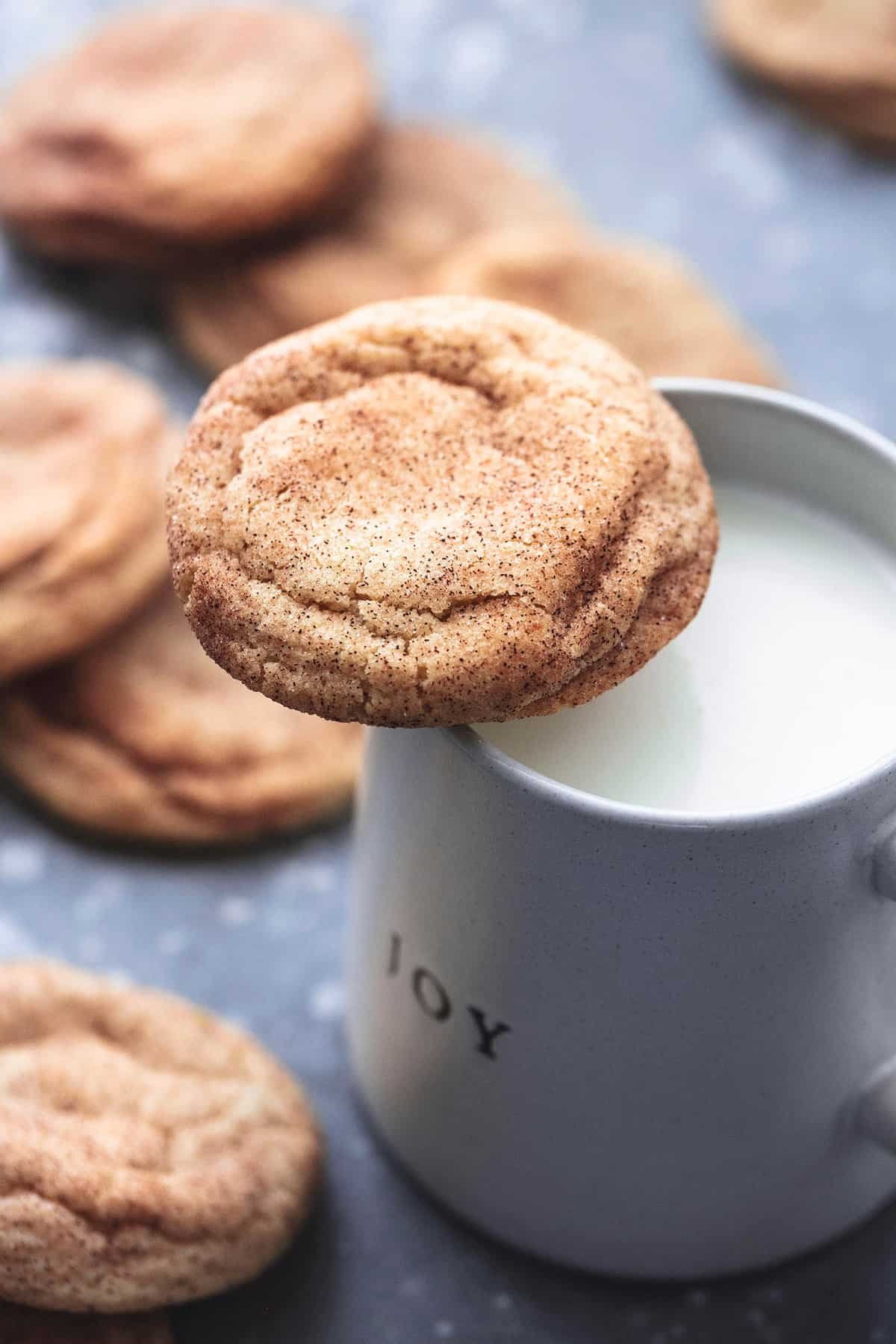
At its core, a snickerdoodle is often described as a dressed-up sugar cookie. It’s a testament to the power of a simple addition: a generous roll in a fragrant cinnamon-sugar mixture before baking transforms a basic dough into something extraordinary. This fundamental simplicity, coupled with its distinctive cinnamon coating, makes it a timeless classic that emphasizes the beauty of uncomplicated, soulful baking. It's about getting back to basics, creating something universally loved without the need for extravagant ingredients or complex techniques. The result? Those wonderfully
soft and chewy snickerdoodles that bring joy with every bite.
Snickerdoodles: A Nut-Free Delight (Generally Speaking)
For those navigating food allergies, especially nut allergies, understanding the ingredients of beloved treats is paramount. Good news for snickerdoodle enthusiasts: traditional snickerdoodle recipes are inherently nut-free. Unlike many cookies that incorporate walnuts, pecans, or almonds for texture and flavor, the classic snickerdoodle relies solely on its buttery dough and distinctive cinnamon-sugar coating for its appeal.
*
Traditional Composition: A standard snickerdoodle recipe typically calls for flour, sugar, butter (or shortening), eggs, cream of tartar, baking soda, vanilla, and the essential cinnamon-sugar mixture for rolling. No nuts are historically part of this ingredient list.
*
The Purist's View: While you *could* technically add chopped nuts to a snickerdoodle dough, purists would argue this deviates from the cookie's authentic character. The charm of a snickerdoodle lies in its straightforward flavor profile, where the sweet, tangy dough perfectly complements the warm spice of cinnamon.
*
Navigating Store-Bought Options: When purchasing pre-made snickerdoodles from a store or bakery, vigilance is key. Always read ingredient labels carefully and check for allergy warnings. Even if nuts aren't an explicit ingredient, cross-contamination can occur in facilities that process various baked goods. If you have severe allergies, looking for products certified nut-free or those made in dedicated nut-free facilities is advisable.
*
The Homemade Advantage: For absolute certainty regarding nut-free status, baking your own
soft and chewy snickerdoodles at home is the best approach. You have complete control over every ingredient, ensuring a safe and delicious treat for everyone to enjoy. This homemade approach not only guarantees a nut-free cookie but often yields a superior product – perfectly fresh and brimming with that soul-soothing cinnamon aroma.
Mastering the Art of Snickerdoodle Preservation
While a fresh, warm snickerdoodle straight from the oven is an unparalleled experience, these cookies are so delightful you'll want to ensure any leftovers maintain their desirable texture. Proper storage is crucial for keeping your
soft and chewy snickerdoodles fresh and enjoyable for as long as possible.
Short-Term Storage: Keeping Them Fresh for Days
To maintain their characteristic softness and chewiness, snickerdoodles should be stored in an airtight container at room temperature. A cookie jar with a tight-fitting lid or a sealed plastic container works perfectly. Kept in a cool, dry place away from direct sunlight, they will remain delicious for up to five days. Avoid storing them in areas prone to humidity, which can make them sticky, or excessive dryness, which can quickly harden them. If you notice them firming up a bit after a couple of days, a quick 10-second zap in the microwave can work wonders, restoring much of their original warmth and tender texture.
Extended Storage: Refrigeration and Freezing
If you anticipate your snickerdoodles lasting longer than five days (a true testament to self-control!), refrigeration can extend their shelf life. Place them in an airtight container and store them in the fridge for up to two weeks. Again, if they feel firm or hard when taken from the cold, a short microwave reheat will bring back their beloved softness.
For long-term preservation, freezing is your best friend. This is an excellent option for making large batches or preparing ahead for special occasions. There are two primary ways to freeze snickerdoodles:
1.
Freezing Baked Cookies:
* Allow freshly baked cookies to cool completely on a wire rack. Any residual warmth can lead to condensation and freezer burn.
* Arrange the cooled cookies in a single layer on a baking sheet and flash freeze for about 30 minutes to an hour until firm. This prevents them from sticking together.
* Transfer the flash-frozen cookies to a freezer-safe airtight container or heavy-duty freezer bag. Layer them between sheets of parchment paper if stacking multiple layers.
* Label with the date and freeze for up to 2-3 months.
* To thaw, simply remove the desired number of cookies from the freezer and let them come to room temperature on the counter. For a warm, freshly baked feel, gently reheat them in the microwave for 10-15 seconds, or in a preheated oven (300°F/150°C) for 5-7 minutes.
2.
Freezing Cookie Dough:
* Prepare your snickerdoodle dough as usual.
* Roll the dough into balls and coat them in the cinnamon-sugar mixture.
* Place the dough balls on a baking sheet lined with parchment paper and flash freeze until solid.
* Transfer the frozen dough balls to a freezer-safe airtight container or freezer bag.
* Label with the date and baking instructions (e.g., bake from frozen at 350°F/175°C for 12-15 minutes, adding a minute or two to the original baking time).
* Frozen dough can be stored for up to 3 months, allowing you to have warm, fresh
soft and chewy snickerdoodles whenever a craving strikes!
Baking Your Own Perfect Batch: The Joy of Snickerdoodles
The true delight of snickerdoodles often lies in the experience of baking them yourself. The process is straightforward and incredibly rewarding, transforming simple ingredients into a comforting masterpiece. There's a certain "cookie therapy" in rolling the dough, coating it in fragrant cinnamon sugar, and watching those crinkled tops emerge from the oven, filling your home with an irresistible aroma. Achieving that ideal balance of sweet, tangy, and spicy with a consistently
soft and chewy snickerdoodles texture is easier than you might think, even for novice bakers.
For those ready to embark on their own baking adventure, discovering a
Foolproof Snickerdoodle Recipe: Achieve Soft & Chewy Perfection is key. A reliable recipe ensures minimal fuss and maximum enjoyment, guiding you to a perfect batch every time. And if you're seeking that comforting aroma and taste that truly soothes the soul, learn how to
Bake Soul-Soothing Snickerdoodles: Soft, Chewy, & Irresistible in your own kitchen. With a good recipe in hand, you’ll not only master the art of these simple treats but also create lasting memories and delicious moments for yourself and your loved ones.
Conclusion
From their playfully ambiguous German roots to their cherished status as a universally loved comfort cookie, snickerdoodles offer more than just a sweet bite. They represent the beauty of simplicity in baking, a generally nut-free option for many, and a treat whose deliciousness can be extended with smart storage. Whether you're a seasoned baker or just starting, the journey of unraveling the snickerdoodle—baking it, savoring it, and preserving its delicate charm—is a profoundly rewarding experience. So go ahead, bake a batch of those incredibly
soft and chewy snickerdoodles, fill your home with their inviting scent, and indulge in a timeless classic that truly delivers perfection in every crinkled bite.